North Dakota Local Food Economic Contribution Study
Measuring local food's economic impact statewide.
Local food contributes to jobs, businesses, and community resilience across North Dakota, but current statewide data doesn't clearly show that impact. Without credible baseline numbers, local food stays invisible in conversations where resources get allocated. This study is working to change that.
FARRMS partnered with researchers and organizations across the state to measure, for the first time, the full economic contribution of local food in North Dakota. Results will be posted here when available for anyone to use. This can include grant writing, policy advocacy, program planning, and making the case that local food matters.
Credible
The study is conducted by established NDSU research teams using methods built for economic contribution modeling.
Accessible
Results will be shared publicly through a report and dashboard, with guidance on how to use the data for your own advocacy, planning, and storytelling.
About the Study
This study set out to answer a straightforward question: what difference does growing and selling local food make to North Dakota's economy?
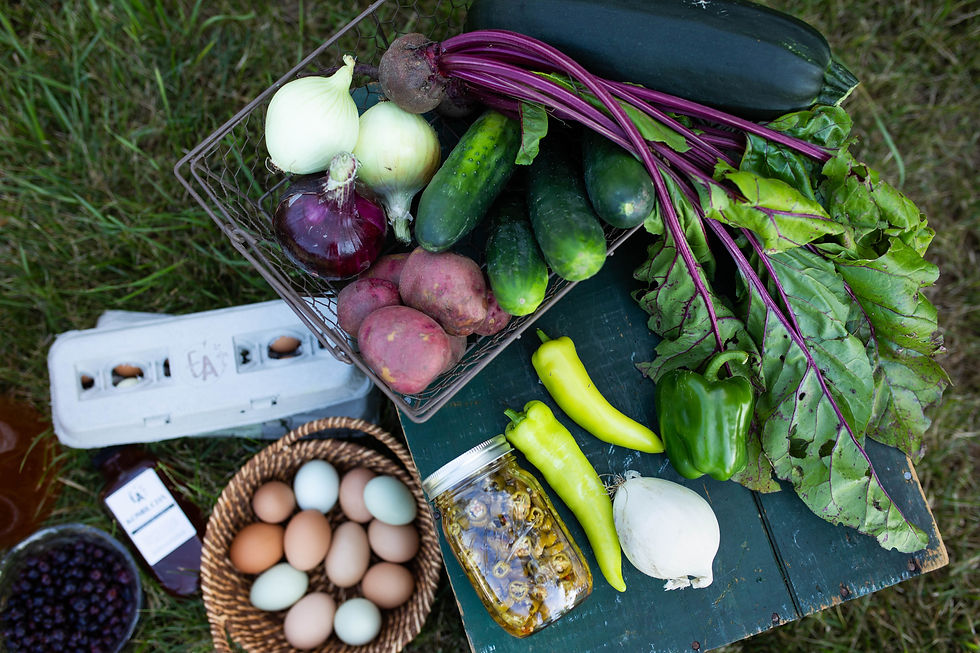
North Dakota's local food economy is growing, but much of that activity has been difficult to measure. Products grown, raised, processed, and sold within North Dakota through channels such as direct sales, retail, schools, and institutions are vital to our local economies. They support jobs, local businesses, and community resilience across the state. Yet without a credible baseline, it remains undercounted in the conversations where funding, infrastructure, and policy decisions get made.
Who Is Involved?
The study is coordinated by FARRMS and the Rural Finance Development Corporation (RFDC). Research is conducted by North Dakota State University's Center for Social Research and Department of Agribusiness and Applied Economics. The study is supported by the Bush Foundation as part of a broader investment in strengthening North Dakota's rural grocery and local food infrastructure.
How Results Will Be Shared
We are committed to making the findings broadly accessible and useful. Results will be shared through:
A public report posted online
A data dashboard on NDcompass
Websites, social media, and email updates
An advocacy plan being created by partners working together across the state
What's Next: How This Information Will Be Used
Data shapes decisions about funding, infrastructure, and programs that affect producers, processors, and food businesses across the state. By building an accurate, statewide picture of North Dakota's local food economy, this study gives communities, policymakers, and funders the evidence they need to understand where local food is already creating value, where gaps remain, and where additional support can make the biggest difference.
Stronger data means stronger cases for investment in local food. Study findings will be available for anyone to use. This can include grant writing, policy advocacy, program planning, and making the case that local food matters.
Questions
For more information about the North Dakota Local Food Economic Contribution Study, contact FARRMS at info@farrms.org.
Supporting Organizations
This statewide effort is possible because of collaboration across North Dakota. Partner organizations are helping spread awareness and encourage broad participation because better data helps local food be seen, supported, and resourced.